
Sleep Better with Custom Sleep Apnea Treatment in Tysons, VA
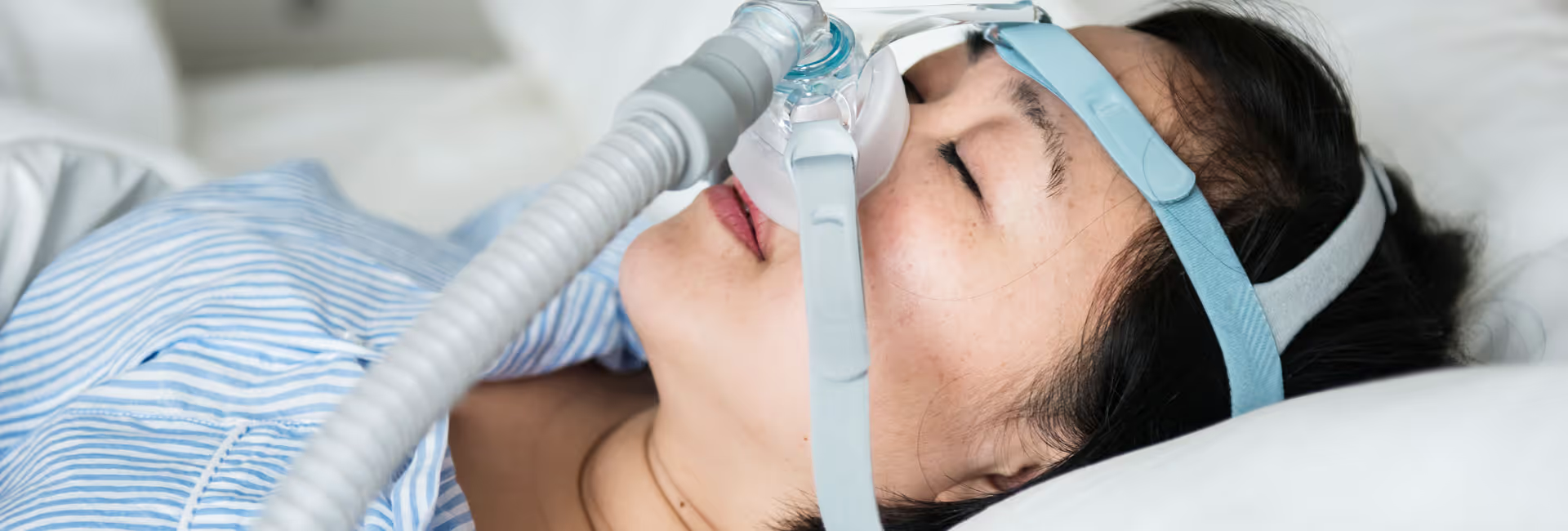
What Is Sleep Apnea?
Sleep apnea comes from the Greek word “apnoia,” meaning “without breath.” It refers to a cycle of starting and stopping breathing while sleeping. Sleep apnea can be central, obstructive, or a mixture of both.
OSA is the most common. It happens when the throat muscles relax excessively, blocking the airway when sleeping. The stoppage in breathing happens for a scary 10 seconds or more! When the brain senses oxygen deprivation, it briefly awakens the body to restore breathing. As you drift again to sleep, another apneic episode strikes before you reach your deep, restorative sleep. These fragmented sleep patterns cause chronic fatigue despite a full night’s sleep.
How do I know I have sleep apnea?
Although only a trainded doctor can diagnose you with sleep apnea, watch out for the following warning signs.
- Morning headaches
- Irritability or mood changes
- Fragmented sleep/frequent awakenings at night
- Loud and chronic snoring
- Low sex drive
- Daytime sleepiness or fatigue
- Choking or gasping for air when sleeping
- Clouded memory
What happens if my OSA goes untreated?
OSA is a severe sleep disorder. If left untreated, it increases the risk of heart disease, stroke, diabetes, hypertension, and other systemic complications. OSA also causes diminished concertation at work and on the road, increasing the risk of accidents.
How is sleep apnea diagnosed?
Sleep apnea is diagnosed using a combination of clinical evaluation, symptom review, and specialized tests. The doctor discusses symptoms like loud snoring, daytime fatigue, and morning headaches. We’ll also check for risk factors such as obesity, enlarged tonsils, or anatomical abnormalities in the throat and nasal passages. The definitive diagnosis for sleep apnea is through a sleep exam at home or a sleep center. The exam monitors brain activity, heart rate, oxygen levels, breathing patterns, and limb movements to identify apnea episodes.
How do we treat sleep apnea?
Many medical practitioners treat sleep apnea with CPAP therapy, which uses a mask to deliver a constant stream of air past the airway. CPAPs work, but many patients drop their treatment because of noise, discomfort, and irritability.
We offer oral appliance therapy (OAT) for anyone who can’t tolerate CPAP therapy. OAT uses a custom-designed oral device to reposition the tongue and lower jaw to keep the airway open. An oral splint for sleep apnea is effective for mild to moderate OSA. When used as directed, it won’t take long before you start enjoying good sleep and a better quality of life.
Many patients love OAT because it offers several benefits, including:
- Portability
- It’s comfortable
- Easy to use
- It’s noiseless
- Simple maintenance
- It doesn’t need electricity to work
Serving Tysons & Surrounding Communities
Conveniently located in Tysons, Dr. Lopez proudly welcomes patients from across Northern Virginia and nearby Maryland and D.C. areas, making quality dental care easily accessible for families and individuals throughout the region.
We regularly serve patients from:
- Vienna, McLean, and Falls Church
- Arlington, Fairfax, and Annandale
- Reston, Herndon, Sterling, and Oakton
- Alexandria and surrounding areas
- Potomac, Rockville, and Chevy Chase
- Georgetown and Washington, D.C.
Her commitment to accessible, high-quality care makes Avanti Dentistry a trusted choice for patients throughout the greater Tysons region.
.webp)
Frequently Asked Questions Sleep Apnea
What causes sleep apnea to develop?
Sleep apnea often develops when the airway becomes partially or completely blocked during sleep. Common contributing factors include excess tissue in the throat, obesity, nasal congestion, a naturally narrow airway, or the tongue and soft palate collapsing backward during sleep. Lifestyle habits such as smoking and alcohol consumption can also increase the likelihood of airway obstruction. Genetics and aging may further raise the risk of developing sleep apnea over time.
How do I know if I might have sleep apnea?
Although only a qualified healthcare provider can diagnose sleep apnea, several warning signs may indicate the condition. Common symptoms include loud, chronic snoring, daytime fatigue, morning headaches, irritability, frequent nighttime awakenings, memory difficulties, low energy levels, and episodes of gasping or choking during sleep. If you experience these symptoms regularly, a professional evaluation may be recommended.
How is sleep apnea diagnosed?
Sleep apnea is typically diagnosed through a combination of symptom evaluation, medical history review, and a sleep study. The sleep study may be completed at home or in a sleep center and monitors factors such as breathing patterns, oxygen levels, heart rate, and brain activity throughout the night. These results help determine the type and severity of sleep apnea and guide treatment recommendations.
Can lifestyle changes help reduce sleep apnea symptoms?
Yes. For many individuals, healthy lifestyle changes can improve sleep apnea symptoms and support professional treatment. Weight management, regular exercise, avoiding alcohol and sedatives before bedtime, sleeping on your side, maintaining good nasal airflow, and following a consistent sleep schedule can all help reduce airway obstruction and improve sleep quality.
What is oral appliance therapy for sleep apnea?
Oral appliance therapy uses a custom-made dental device that gently repositions the lower jaw and tongue to help keep the airway open during sleep. It is often recommended for patients with mild to moderate obstructive sleep apnea or those who struggle to tolerate CPAP therapy. Many patients appreciate that oral appliances are comfortable, portable, quiet, and easy to maintain.
Can an oral appliance help reduce snoring?
Yes. Custom oral appliances can significantly reduce or even eliminate snoring by improving airflow and preventing airway collapse during sleep. By maintaining a more open airway, these devices help create smoother breathing patterns and often lead to better sleep for both the patient and their sleeping partner.
How long does it take to get used to an oral appliance?
Most patients adjust to their oral appliance within a few days to a few weeks. During the adjustment period, some people may experience mild jaw tightness or increased saliva production, but these effects generally fade quickly. Follow-up visits allow the appliance to be adjusted for maximum comfort and effectiveness.
What are the long-term benefits of treating sleep apnea?
Treating sleep apnea can improve far more than sleep quality. Patients often experience increased energy, better concentration, improved mood, and enhanced overall well-being. Effective treatment may also reduce the risk of serious health conditions associated with untreated sleep apnea, including high blood pressure, heart disease, stroke, diabetes, and other systemic complications.
Avanti Dentistry offers a unique model where all specialists are available in-house. This eliminates the need for referrals and allows for more efficient, coordinated care.
Is there sleep apnea treatment near me?
Sleep apnea can diminish your sleep, health, and quality of life. Don't let sleep apnea take control of your life. Call (703) 625-6229 and reserve a consultation with Avanti Dentistry.