
Nitrous Oxide vs. Oral Sedation vs. IV Sedation
At Avanti Dentistry, our strength lies in the depth and diversity of our clinical team. We’ve brought together highly trained dental professionals across multiple specialties to provide seamless, comprehensive care—all in one location.
Patients from Tysons, Vienna, McLean, Falls Church, Arlington, and surrounding areas choose our practice because they can receive advanced treatment without traveling between multiple offices. This collaborative approach allows for more efficient care, better communication, and a higher standard of results.
Nitrous Oxide vs. Oral Sedation vs. IV Sedation: Which Dental Sedation Is Right for You?
Nitrous oxide is the lightest option: you breathe it through a small mask, feel relaxed within minutes, and can usually drive yourself home. Oral sedation is a prescribed pill that creates a deeper, drowsy calm and requires a ride home. IV sedation delivers medication through a vein, works the fastest, can be adjusted during treatment, and is often chosen for longer procedures or significant anxiety. The right choice depends on your anxiety level, your health, and the treatment you need.
Why Sedation Dentistry Matters
Dental anxiety is one of the most common reasons adults put off care. For some people, it stems from a painful past experience, a strong gag reflex, or sensitive teeth. For others, it is the feeling of losing control in the chair. Delaying treatment often turns small problems into bigger ones, so sedation dentistry in Tysons is less about luxury and more about helping you get the care you need.
One point surprises many patients: sedation and numbing are different. With all three options below, your dentist still uses local anesthetic to numb the treatment area. Sedation changes how relaxed and aware you feel.
Option 1: Nitrous Oxide (Laughing Gas)
Nitrous oxide is a blend of nitrous oxide and oxygen that you breathe through a small mask over your nose. Within a few minutes, most people feel calm, light, and comfortable while staying fully awake and able to talk.
- Level of sedation: minimal. You stay relaxed and responsive the entire time.
- How fast it works: within a few minutes, and it wears off within minutes once the gas is turned off.
- Driving afterward: most adults can drive themselves home.
- Often a good fit for: mild anxiety, cleanings, fillings, and shorter visits.
Because it is gentle and wears off quickly, nitrous oxide is also commonly used in children's dentistry for kids who need a little help relaxing.
Option 2: Oral Conscious Sedation
With oral conscious sedation, you take a prescribed pill before your appointment. By the time treatment begins, you feel drowsy and deeply relaxed. You can still respond to questions, but many patients remember little of the visit afterward.
- Level of sedation: minimal to moderate, depending on the medication and dose prescribed for you.
- How fast it works: usually within about an hour, so timing matters.
- Driving afterward: you need a responsible adult to drive you home, and the effects can last for several hours.
- Often a good fit for: moderate anxiety, a strong gag reflex, and longer visits where you prefer to be less aware.
For a closer look, read our article on how oral conscious sedation can benefit you.
Option 3: IV Sedation
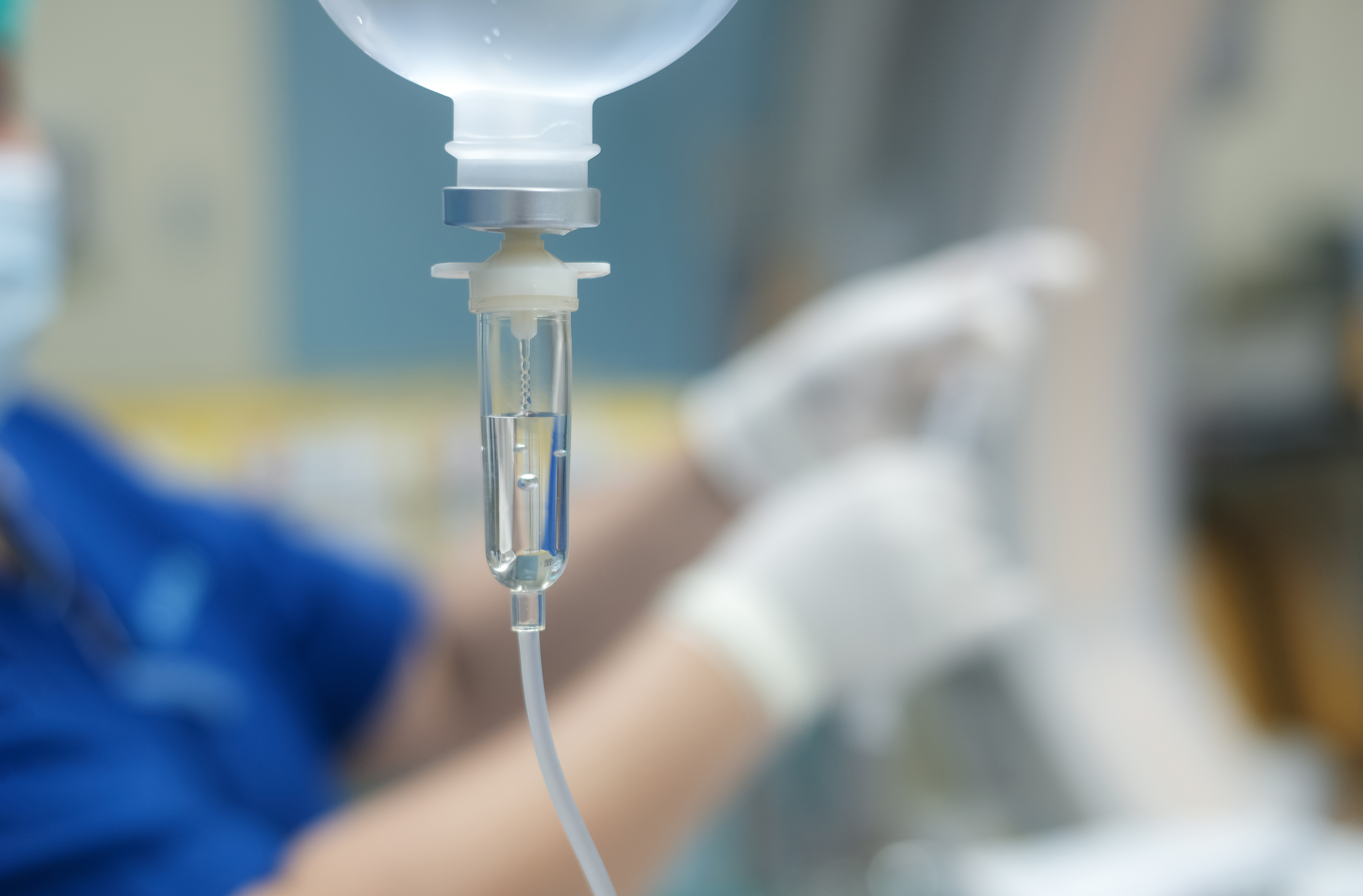
IV sedation delivers sedative medication directly into your bloodstream through a small line, usually in your arm or hand. Because it works quickly and can be adjusted throughout the procedure, it offers the most precise control of the three options. Your vital signs are monitored the entire time.
- Level of sedation: typically moderate, with patients deeply relaxed and drifting in and out of awareness.
- How fast it works: within moments, and the level can be fine-tuned during treatment.
- Driving afterward: you need an escort home and should plan to rest for the remainder of the day.
- Often a good fit for: significant dental anxiety, implant surgery, multiple extractions, and longer procedures completed in one visit.
Side-by-Side Comparison
- How it is given: nitrous oxide is inhaled, oral sedation is a pill, and IV sedation is delivered through a vein.
- Depth: nitrous oxide is the lightest, oral sedation is deeper, and IV sedation is the most adjustable.
- Onset: nitrous oxide and IV sedation work within minutes, while oral sedation takes longer.
- Recovery: nitrous oxide wears off quickly, while oral and IV sedation can leave you drowsy for hours.
- Ride home: usually not needed with nitrous oxide, but required with oral and IV sedation.
- Best for: nitrous oxide for mild nerves and short visits, oral sedation for moderate anxiety, and IV sedation for high anxiety or complex treatment.
Which Option Is Right for You?
Your sedation plan is built around three factors: how anxious you feel, how long and involved your treatment will be, and your overall health. Someone who feels uneasy during cleanings may only need nitrous oxide. A patient who has avoided the dentist for years and needs several procedures may do best with oral or IV sedation, sometimes combining treatments into fewer visits. Patients planning dental implants or other surgery often prefer IV sedation for its depth and control.
Sedation can help during urgent visits, too. If a dental emergency has you on edge, our same-day emergency dental care team can talk through comfort options when you arrive.
Is Dental Sedation Safe?
Dental sedation has a long safety record when patients are carefully screened and monitored. Before recommending any option, we review your medical history, your medications, and conditions such as sleep apnea, heart or lung disease, or pregnancy. Some medications and health conditions make one option safer than another, which is why that conversation always comes first.
How to Prepare for a Sedation Appointment
- Share a complete list of your medications and supplements.
- Follow any eating and drinking instructions you receive, especially for oral or IV sedation.
- Arrange for a responsible adult to drive you home if you are having oral or IV sedation.
- Wear comfortable clothing with sleeves that roll up easily.
- Plan a quiet rest of the day, with no driving, alcohol, or important decisions until the effects wear off.
Frequently Asked Questions
Will I be unconscious during sedation dentistry?
No. Nitrous oxide, oral sedation, and IV sedation are forms of conscious sedation, so you breathe on your own and can respond. General anesthesia, where you are fully unconscious, is a separate approach usually reserved for hospital or surgical settings.
Can I drive after nitrous oxide?
Most adults can. After treatment, you breathe pure oxygen for a few minutes while the effects clear, and you are typically able to drive yourself home.
Does sedation replace numbing?
No. Sedation helps you relax, while local anesthetic numbs the treatment area. You will usually receive both.
Does insurance cover dental sedation?
Coverage varies. Some plans cover sedation for certain procedures, such as oral surgery, while others do not. We can review your benefits and financing options before your visit.
Serving Tysons & Surrounding Areas
Conveniently located in Tysons, Dr. Lopez welcomes patients from a wide range of nearby communities, including:
- Vienna, McLean, and Falls Church
- Arlington, Fairfax, and Annandale
- Reston, Herndon, Sterling, and Oakton
- Alexandria and surrounding areas
- Potomac, Rockville, and Chevy Chase, MD
- Georgetown, Washington, DC
Her commitment to accessible, high-quality care makes Avanti Dentistry a trusted choice for patients throughout the region.
.webp)
Get Comfortable Dental Care in Tysons
If anxiety has kept you from the dentist, we are here to help. Avanti Dentistry is located at 1500 Cornerside Blvd, Suite 500, in Tysons, VA, and serves Vienna, McLean, Falls Church, Fairfax, and nearby communities. Call or text (703) 625-6229 or schedule your appointment online.