An infection in the pulp of your tooth can be painful and can even affect your general health. Left untreated, that infection could eventually require a tooth extraction. If you have developed a toothache or are experiencing tooth sensitivity, call Avanti Dentistry at (703) 625-6229 for an appointment with our dentists for a root canal treatment in Tysons, Virginia. Dr. Farshad Farhoumand and associates may be able to use this treatment to preserve your tooth and your smile.

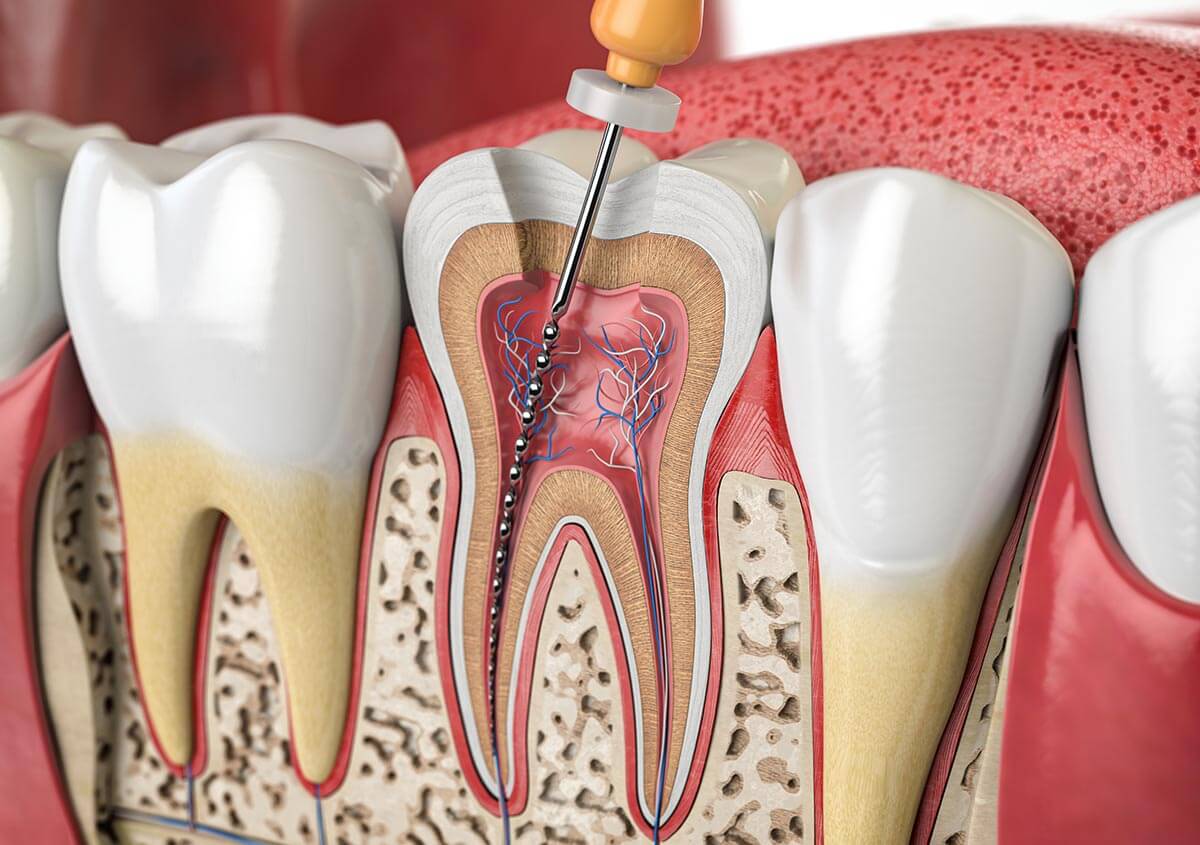
Root canal therapy is a very common procedure. It has a reputation of being undesirable and painful. But when done properly it is actually painless. Every tooth in your mouth is composed of a crown and a root. When a cavity or bacteria penetrates the tooth, the root and its nerves become irritated. As a result, the bacteria within the pulp cavity needs to be removed and cleaned in order to restore the tooth to its healthy state. Following the procedure, the tooth is fragile and consequently is restored with the natural crown for a lifetime of durability. Root canals have a success rate of 95% or greater. Most root canal are diagnosed by patients’ sensitivities to a specific tooth. Be sure to consult your dentist any symptoms or discomfort occur.
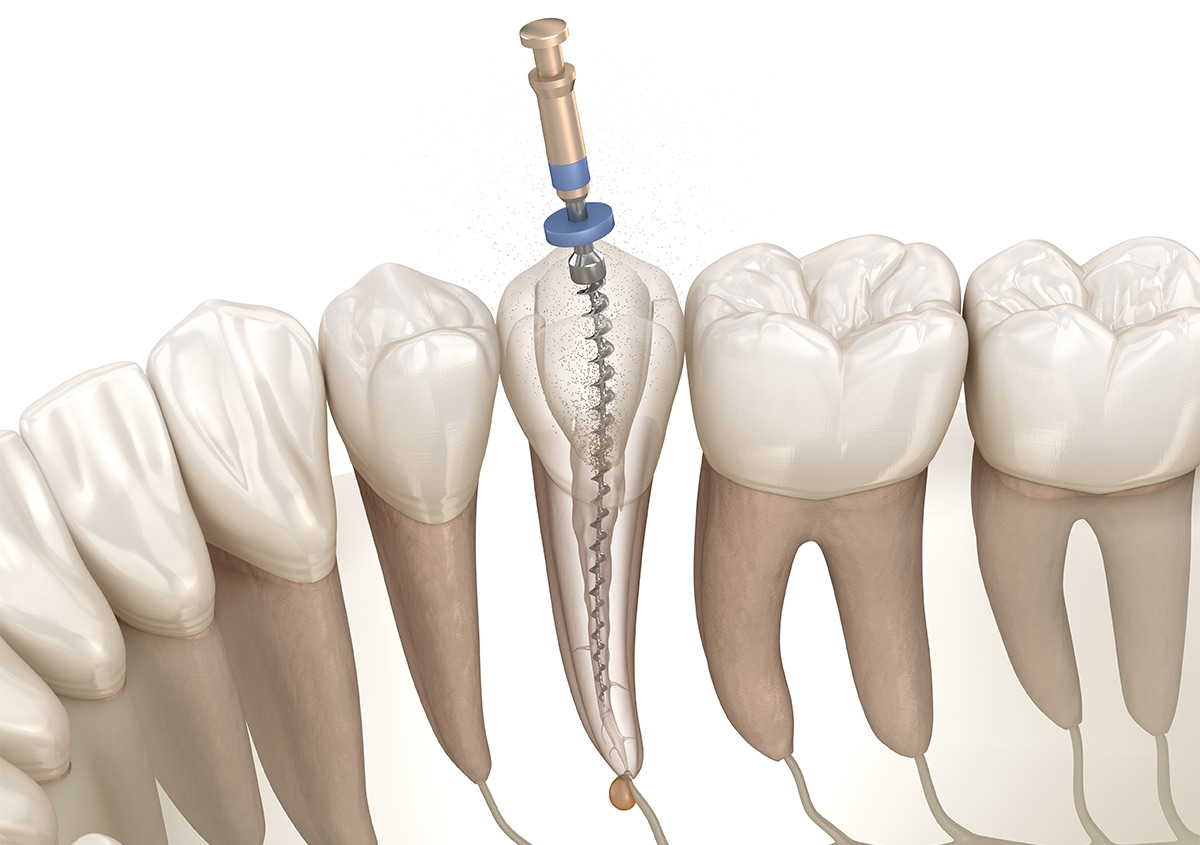
When the pulp and nerves of a tooth have become severely infected or damaged, root canal treatment is often the recommended method to help preserve the tooth. Without root canal treatment, the tooth will most likely die and need to be extracted. Root canal treatment is a type of endodontic therapy that removes infected, damaged and injured tissues within the tooth. Root canal treatment also involves cleaning the tooth and filling it with a medicated material to renew the health of the tooth. Once the treatment is completed, our dentists will cap the tooth with the appropriate dental restoration, usually a dental crown, to restore its original structure and appearance. A root canal usually can be completed in one or two appointments, so you can get back to a healthy smile quickly!
Frequently Asked Questions About Root Canal Treatment
Can a root canal be performed on a tooth with a vertical root fracture?
A vertical root fracture is a crack extending along the tooth root, often making it impossible to save the tooth with a root canal. Extraction is typically recommended to prevent the spread of infection. If detected early, conservative treatments might preserve the tooth, depending on the fracture’s location and size.
How does the presence of a dental crown affect the need for a root canal?
A dental crown can mask symptoms of an underlying infection, making it harder to detect the need for a root canal. If you experience persistent pain in a crowned tooth, consult your dentist, as the crown may need to be removed to assess the tooth’s condition. The crown might be intact, but the tooth’s root could be infected, requiring further intervention.
What are the risks of delaying a root canal treatment?
Delaying a root canal can worsen an infection, potentially causing an abscess, bone loss, or spreading infection to other body areas. In severe cases, untreated infections can lead to systemic health issues such as fever, swollen lymph nodes, or even a life-threatening condition called sepsis. Prompt treatment is crucial to avoid these complications, alleviate pain, and save the tooth. A root canal is often the last chance to preserve the tooth before it needs to be extracted.
Can a root canal be performed on a tooth with a calcified canal?
Calcifying the root canal can make the procedure more challenging due to the narrowing or complete closure. Advanced techniques and specialized instruments may be required to effectively access and clean the canal. While it’s more difficult, a calcified canal can still be treated with the right approach and expertise, allowing the tooth to be saved and the infection cleared.
Can a root canal be performed on a tooth with a large filling?
A large filling can complicate accessing the root canal, but doesn’t necessarily preclude treatment. The dentist may need to remove the existing filling to access the root structure properly. If the filling was placed to cover a deep cavity, it might have already affected the tooth’s integrity, making it more prone to cracks or infection. The tooth’s overall health and the extent of the filling will influence the decision, but a root canal can often still be performed.
How does a root canal affect the surrounding gum tissue?
After a root canal, the surrounding gum tissue may experience temporary inflammation or tenderness as part of the healing process. This is usually a mild response to the procedure and should subside in a few days. Maintaining good oral hygiene and following post-treatment care instructions can minimize discomfort and promote healing. In some cases, patients may experience slight swelling or sensitivity in the gum tissue near the treated tooth, but this generally resolves on its own within a few days to weeks.
Can a root canal be performed on a tooth previously undergone a pulpotomy?
A pulpotomy involves removing the infected portion of the pulp in a tooth, typically in children, to preserve the rest of the tooth. A root canal may be necessary if the infection recurs or the remaining pulp becomes infected later. The decision depends on the tooth’s condition and the extent of the infection. If the initial pulpotomy failed to prevent further damage or the tooth becomes symptomatic later, a full root canal can be performed to preserve the tooth and avoid extraction.
Many people believe that receiving root canal treatment can be extremely painful or uncomfortable, but that is not the case! Root canal treatment involves very little discomfort due to advancements in sedation and numbing techniques available in dental offices. Our dentists and team will work together with you to help ensure you have a comfortable visit. We are dedicated to you, and we will do whatever we can to restore your good oral health.